
How the Noida-Greater Noida Expressway is Reshaping Commercial Real Estate Demand
The Noida-Greater Noida Expressway has rapidly transformed into Delhi-NCR’s premier commercial real estate corridor, driven by surging corporate demand, expansive residential growth, and the newly operational Jewar Airport. Offering competitive Grade A office rentals and world-class infrastructure, this stretch is fundamentally reshaping the future of business, retail, and logistics investments in 2026.

How Redevelopment is Driving Up Property Values in South Delhi Real Estate Market
South Delhi luxury independent floors witnessed a massive 6% to 21% year-on-year price appreciation in the second quarter of 2026, driven by an acute supply shortage and aggressive neighborhood redevelopment. A significant influx of capital from high-net-worth individuals and non-resident Indians seeking investment safety is pushing prime property values toward the ₹50 crore mark.

Real Stories, Real Returns: Why Investors Trust Plotlandguide with Their Future and Their Wealth Multiplication
Discover how everyday professionals and seasoned investors are multiplying their wealth through secure, fully managed agricultural land investments. Read real stories of individuals who overcame initial skepticism to build lasting family legacies with end-to-end expert guidance.
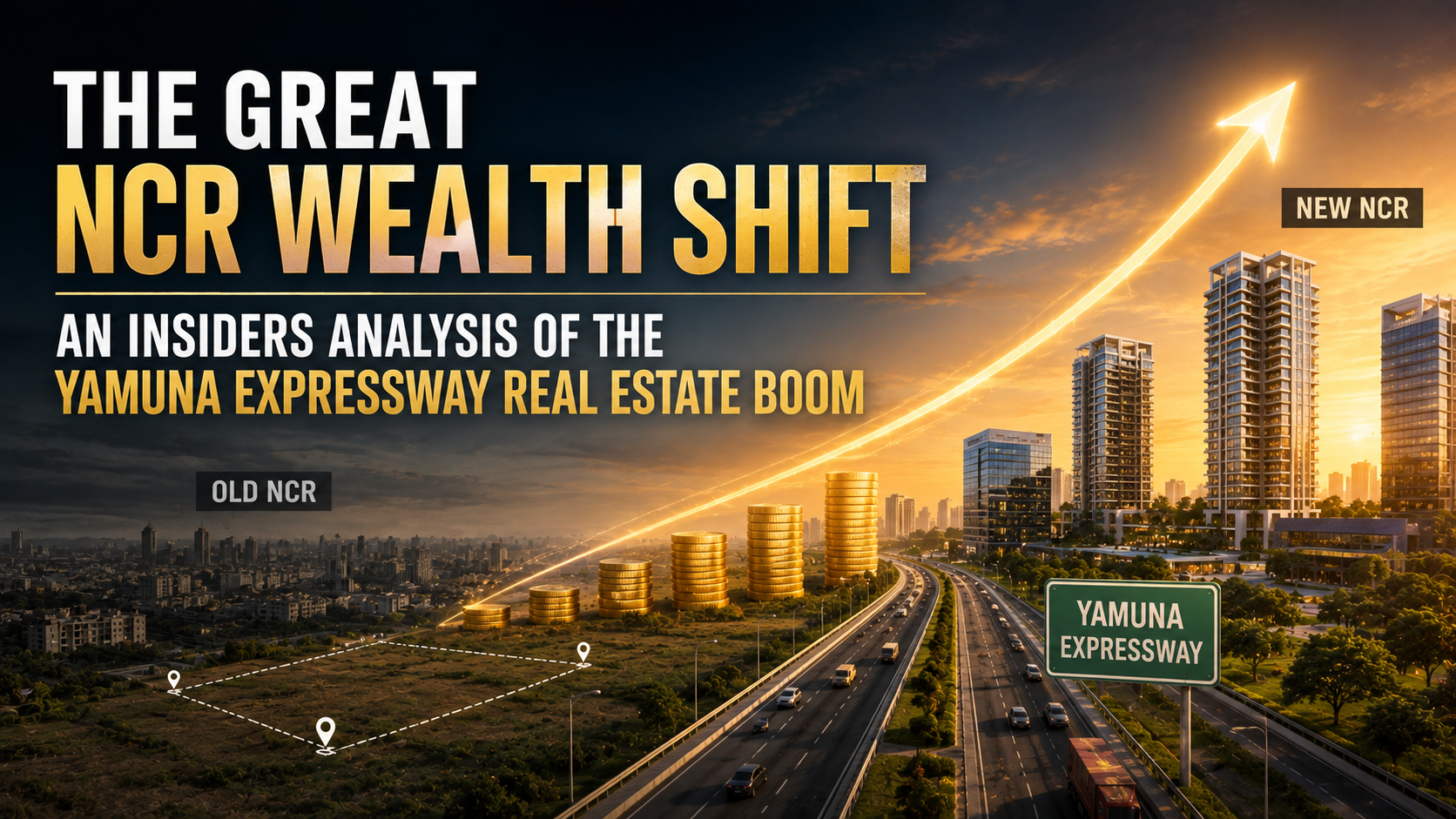
The Great NCR Wealth Shift: An Insider’s Analysis of the Yamuna Expressway Real Estate Boom
Forget stagnant high-rises and hidden builder fees—strategic agricultural land in YEIDA is the ultimate NCR real estate gold rush. This definitive masterclass reveals the exact paperwork checks, investment timelines, and insider strategies you need to safely multiply your wealth near the Noida International Airport.