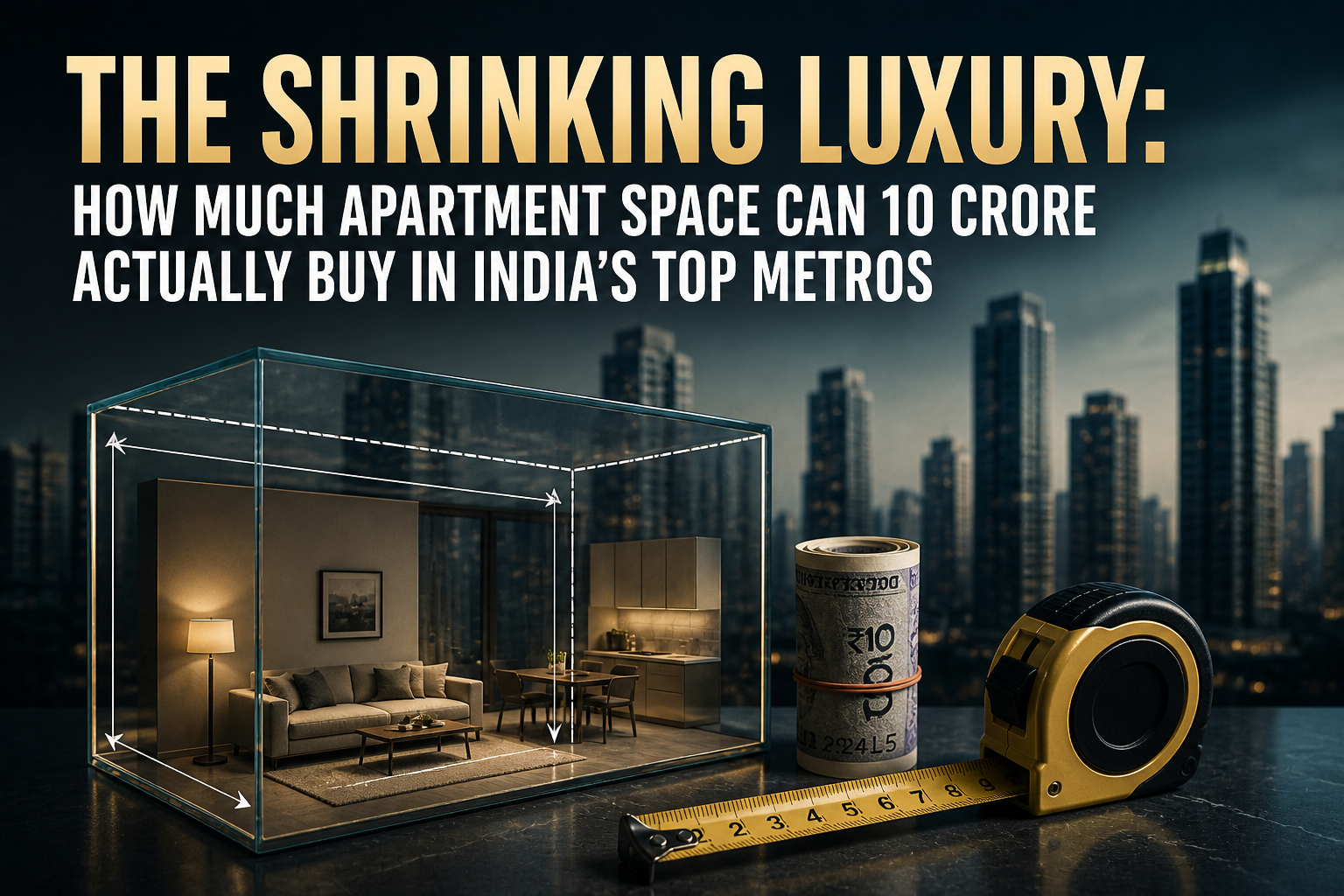
The Shrinking Luxury: How Much Apartment Space Can ₹10 Crore Actually Buy in India's Top Metros?
As India's luxury real estate market experiences a period of unprecedented price appreciation, a premium budget of ₹10 crore buys significantly less space across top metros today, with Mumbai remaining the most expensive market offering just 1,033 sq ft, while cities like Delhi and Bengaluru provide roughly double and triple the area respectively for the exact same investment.
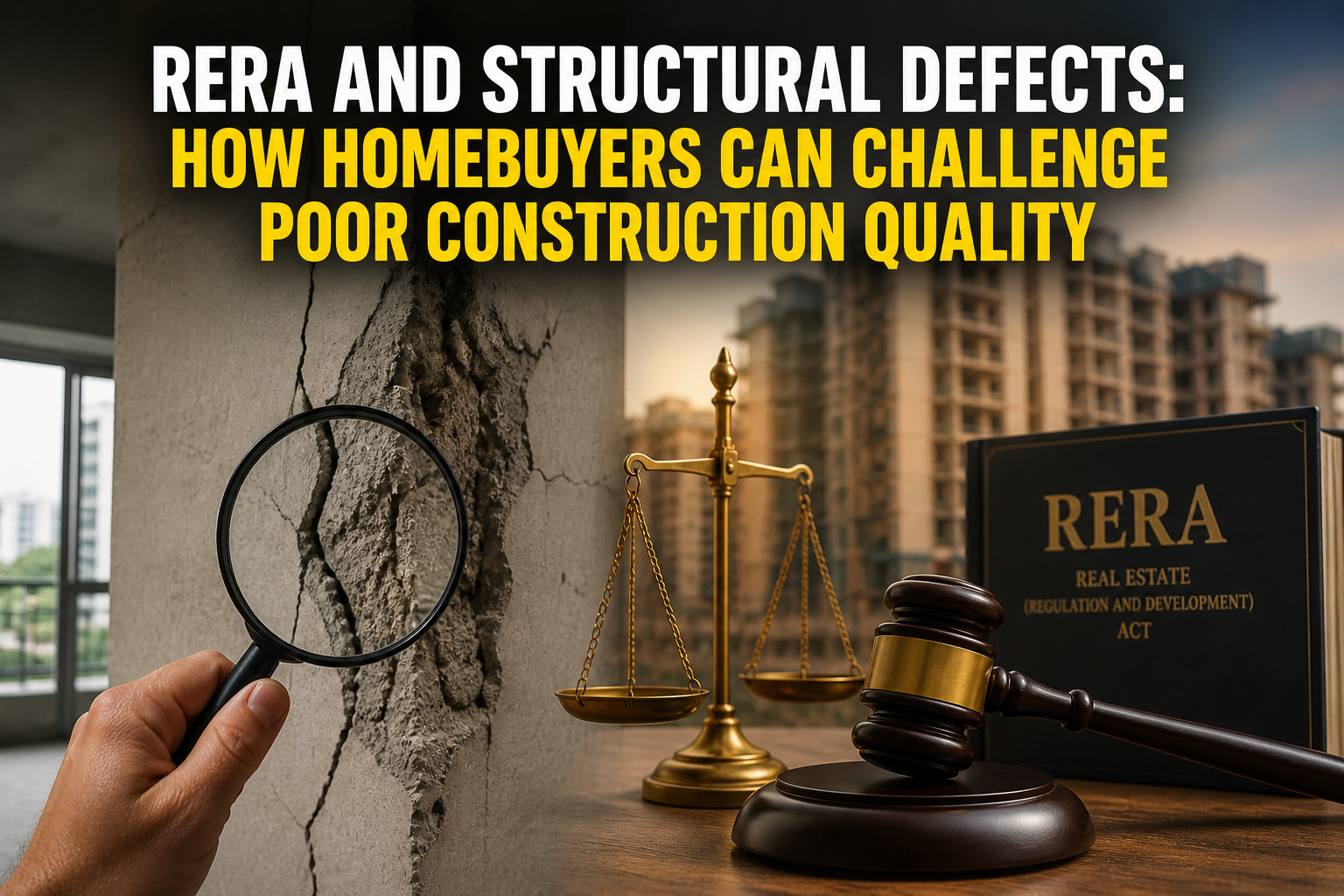
RERA and Structural Defects: How Homebuyers Can Challenge Poor Construction Quality
Under Section 14(3) of the RERA Act, homebuyers are protected by a mandatory five-year warranty against structural defects and poor construction quality, forcing developers to rectify issues within thirty days at no extra cost or face severe compensation claims.
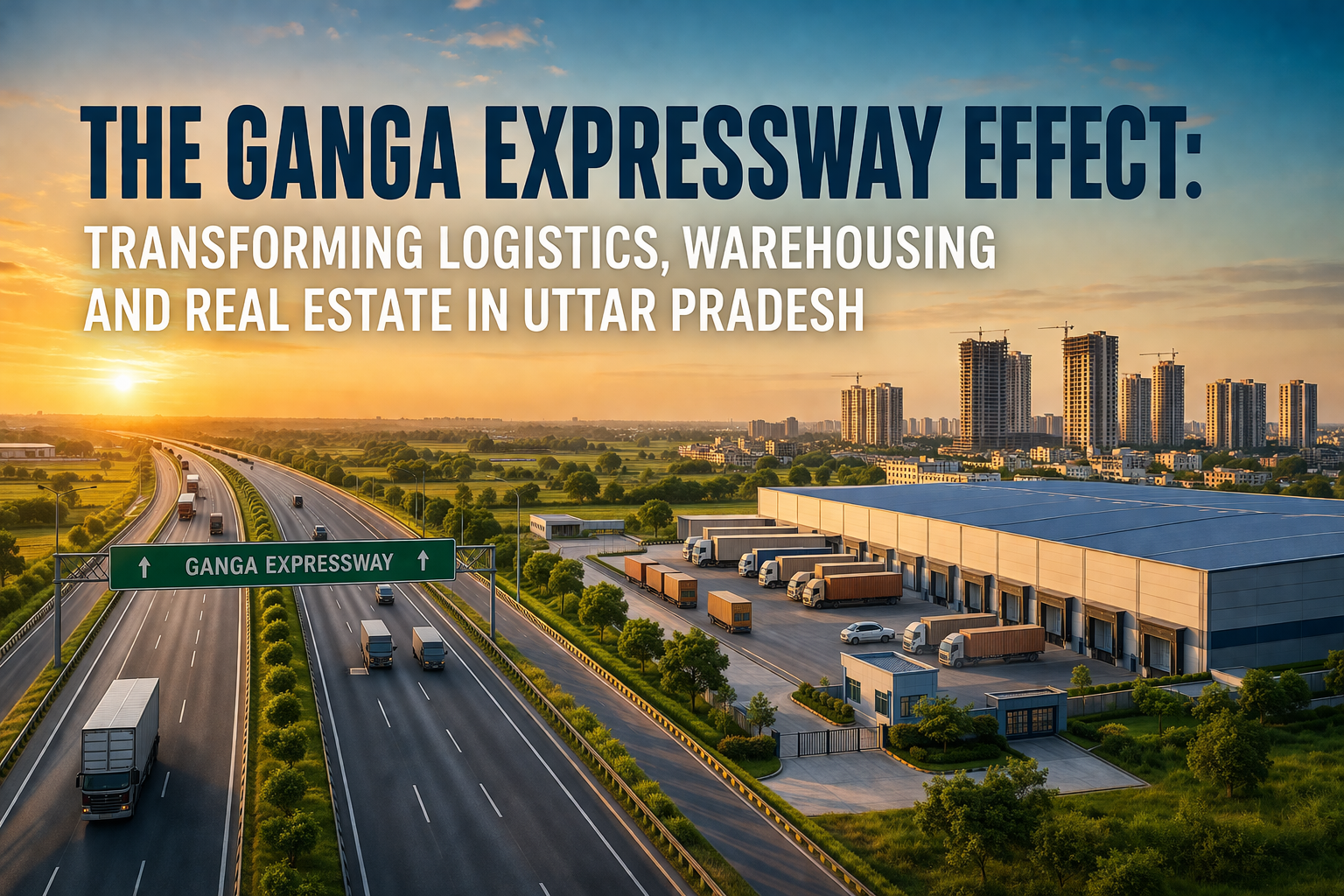
The Ganga Expressway Effect: Transforming Logistics, Warehousing, and Real Estate in Uttar Pradesh
The 594-km Ganga Expressway, stretching from Meerut to Prayagraj, is rapidly emerging as a transformative economic corridor designed to slash travel times, catalyze massive investments in decentralized logistics and warehousing hubs, and trigger unprecedented residential and commercial real estate growth across Tier II and III cities in Uttar Pradesh.
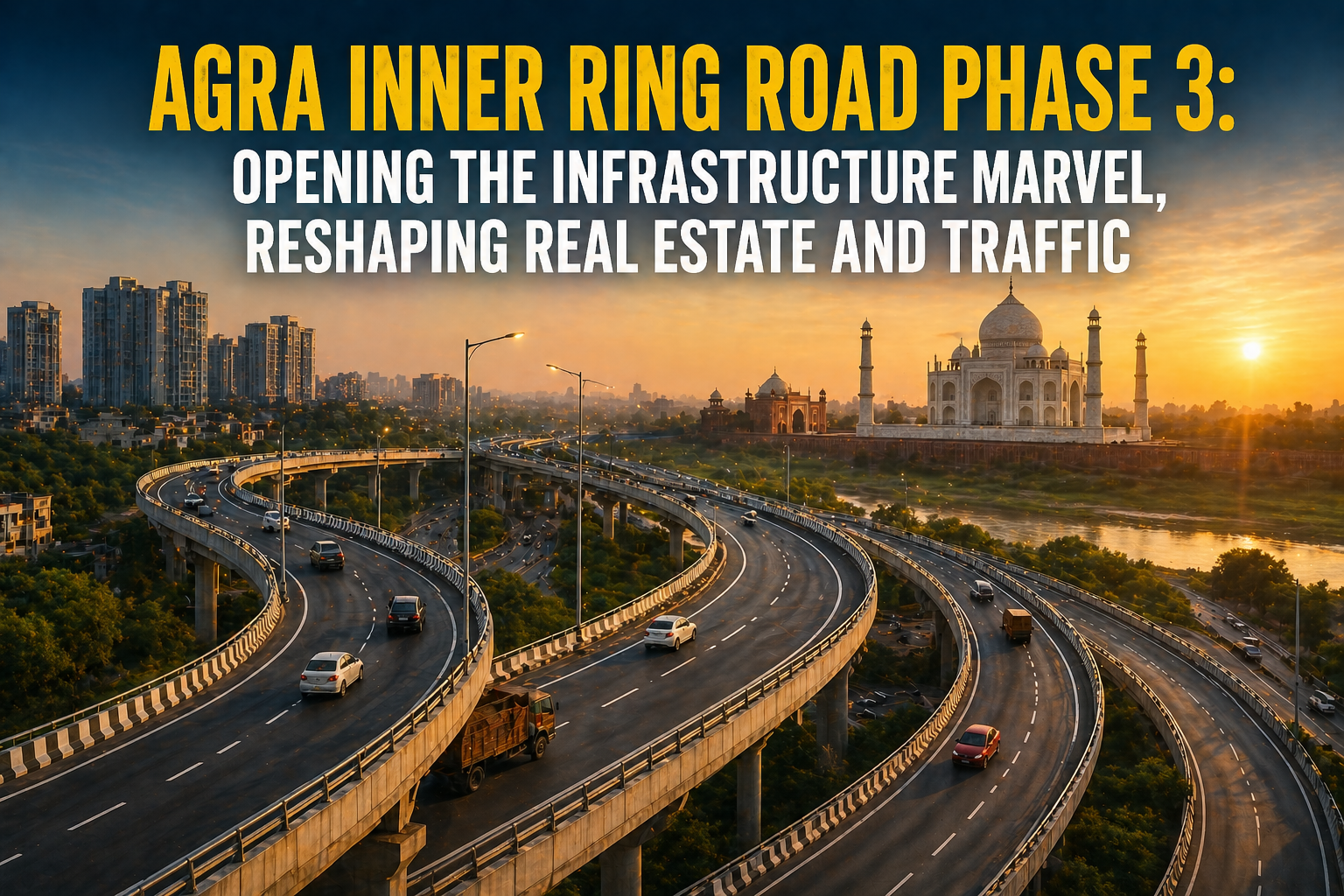
Agra Inner Ring Road Phase 3 Opening: The Infrastructure Marvel Reshaping Real Estate and Traffic
The June 30 opening of the Agra Inner Ring Road Phase 3 will permanently reshape the city's transit and real estate landscape, establishing a high-speed, signal-free corridor that connects major national expressways and triggers a massive property boom along the Gwalior highway.