Why Abu Dhabi is Emerging as the Preferred Safe Haven for Real Estate Investors
In the face of shifting global landscapes, investors are increasingly pivoting toward Abu Dhabi over Dubai, seeking the emirate’s hallmark long-term stability, government-backed infrastructure security, and balanced growth trajectory. While Dubai remains a powerhouse for high-velocity, speculative investment, Abu Dhabi has emerged as the premier choice for those prioritizing capital preservation, resilient rental yields, and a secure environment amid regional geopolitical uncertainty.
How Infrastructure Development is Redefining India’s Real Estate Market
India’s real estate landscape in 2026 is fundamentally defined by massive infrastructure-led growth, where record-breaking capital expenditure on transit networks and industrial corridors is unlocking high-growth micro-markets and shifting demand toward well-connected suburban hubs. This era of infrastructure development is not just about connectivity; it is a structural evolution turning secondary cities into economic powerhouses and reshaping how institutions and individuals invest in property
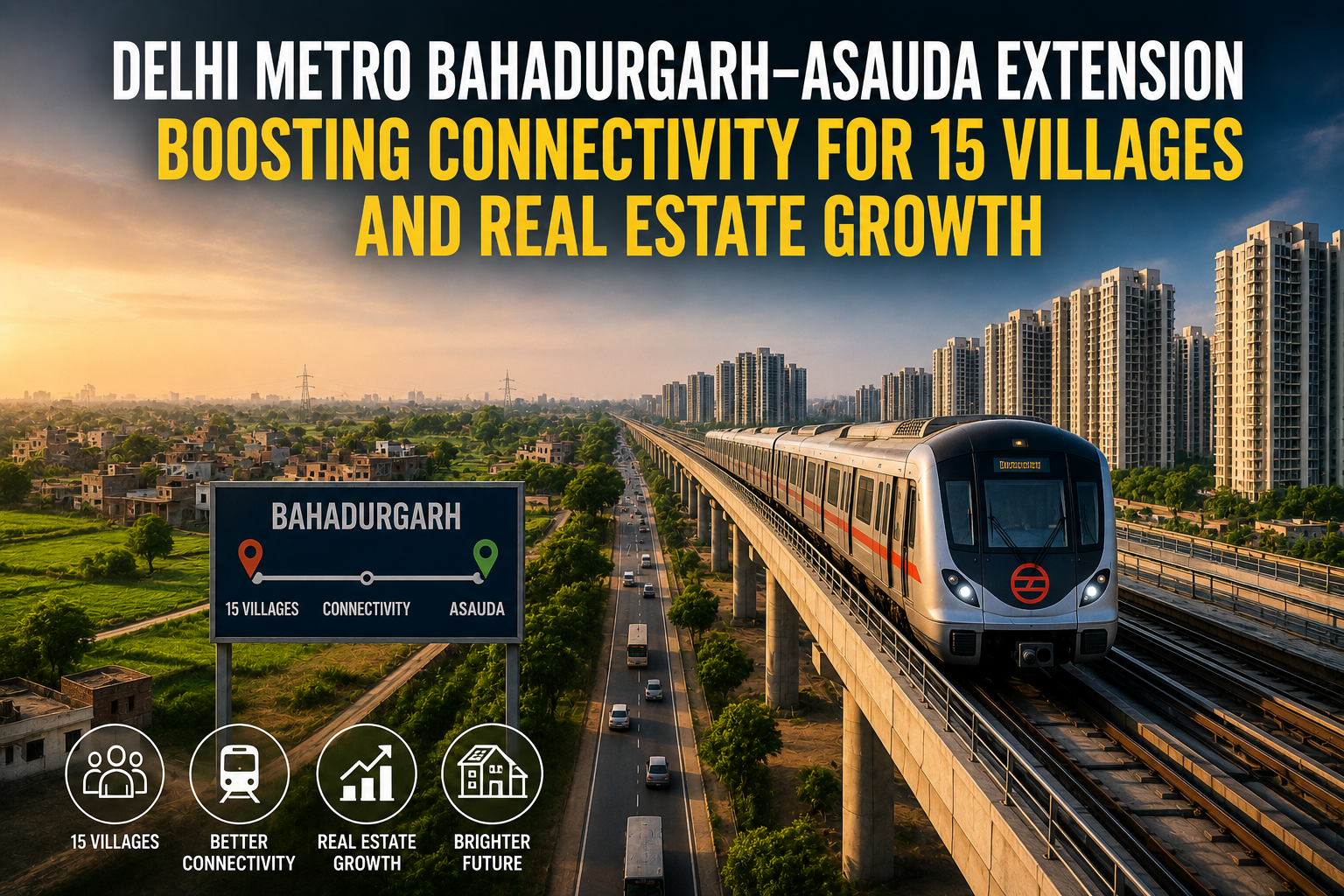
Delhi Metro Bahadurgarh-Asauda Extension: Boosting Connectivity for 15 Villages and Real Estate Growth
The upcoming Delhi Metro extension from Bahadurgarh to Asauda in Jhajjar district will transform regional connectivity, directly benefiting 50,000 residents across 15 villages. This major infrastructure project includes six new stations and is set to trigger a significant real estate boom in the surrounding areas.
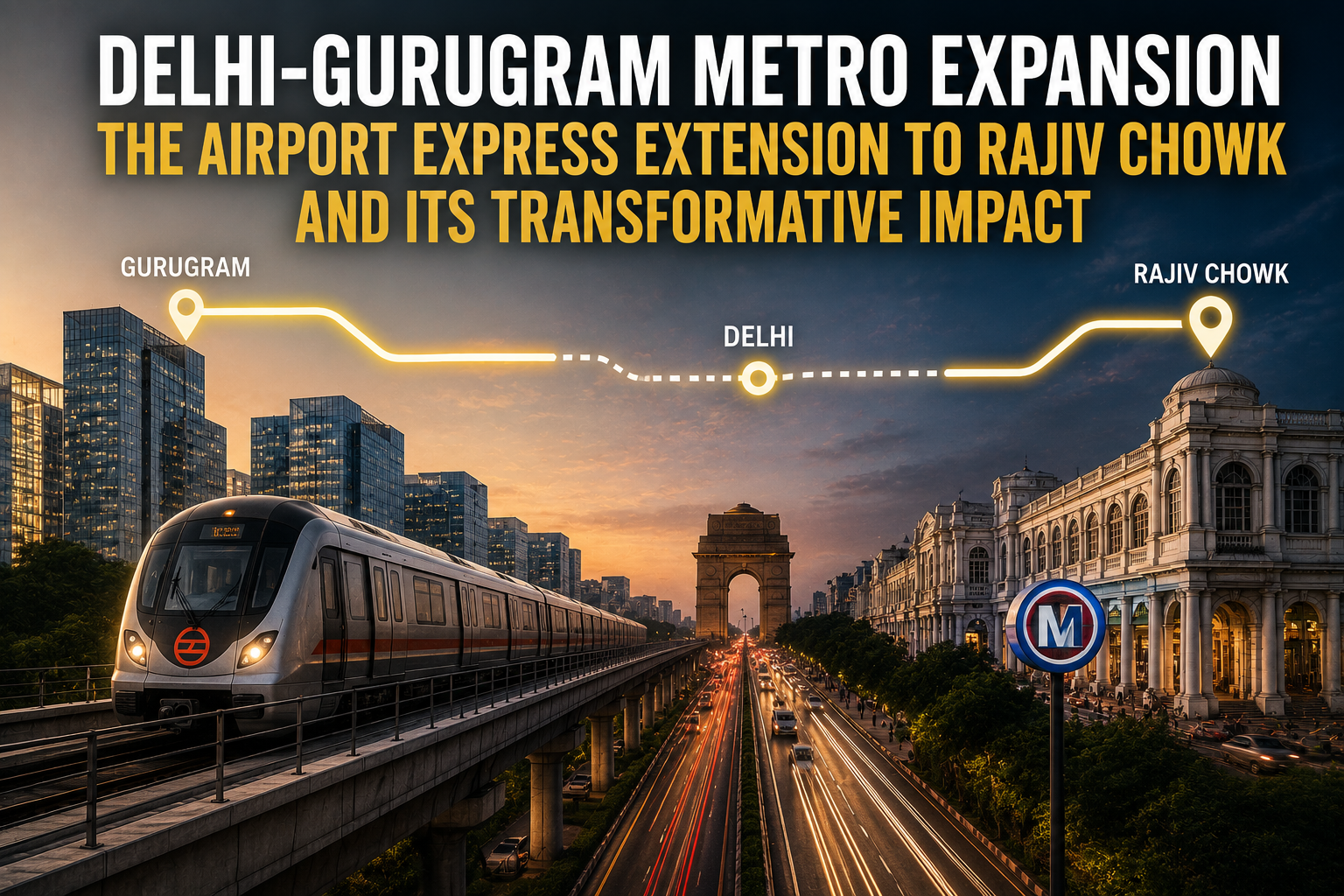
Delhi-Gurugram Metro Expansion: The Airport Express Extension to Rajiv Chowk and Its Transformative Impact
The proposed extension of the Delhi Airport Express Metro Line to Rajiv Chowk in Gurugram is set to revolutionize daily commuting by bypassing NH-48 traffic, while simultaneously boosting real estate demand and regional connectivity across the National Capital Region.