
Decoding Dabur’s Mega Warehouse Lease and the Future of Uttar Pradesh Real Estate
Dabur India’s massive 1.62 lakh sq ft warehouse lease in Unnao underscores a nationwide explosion in logistics real estate. Driven by aggressive state infrastructure policies and shifting supply chain dynamics, Uttar Pradesh is rapidly transforming into a premier industrial hub, presenting unprecedented wealth-creation opportunities for strategic land investors.

Why Plotted Developments Are Bengaluru's New Real Estate Goldmine in 2026
With plotted project registrations doubling in the first quarter of 2026, Bengaluru is witnessing a massive pivot toward land ownership. Driven by skyrocketing apartment construction costs, transformative infrastructure like the STRR, and the undeniable long-term wealth creation potential of land, buyers and developers alike are redefining the city's real estate future.
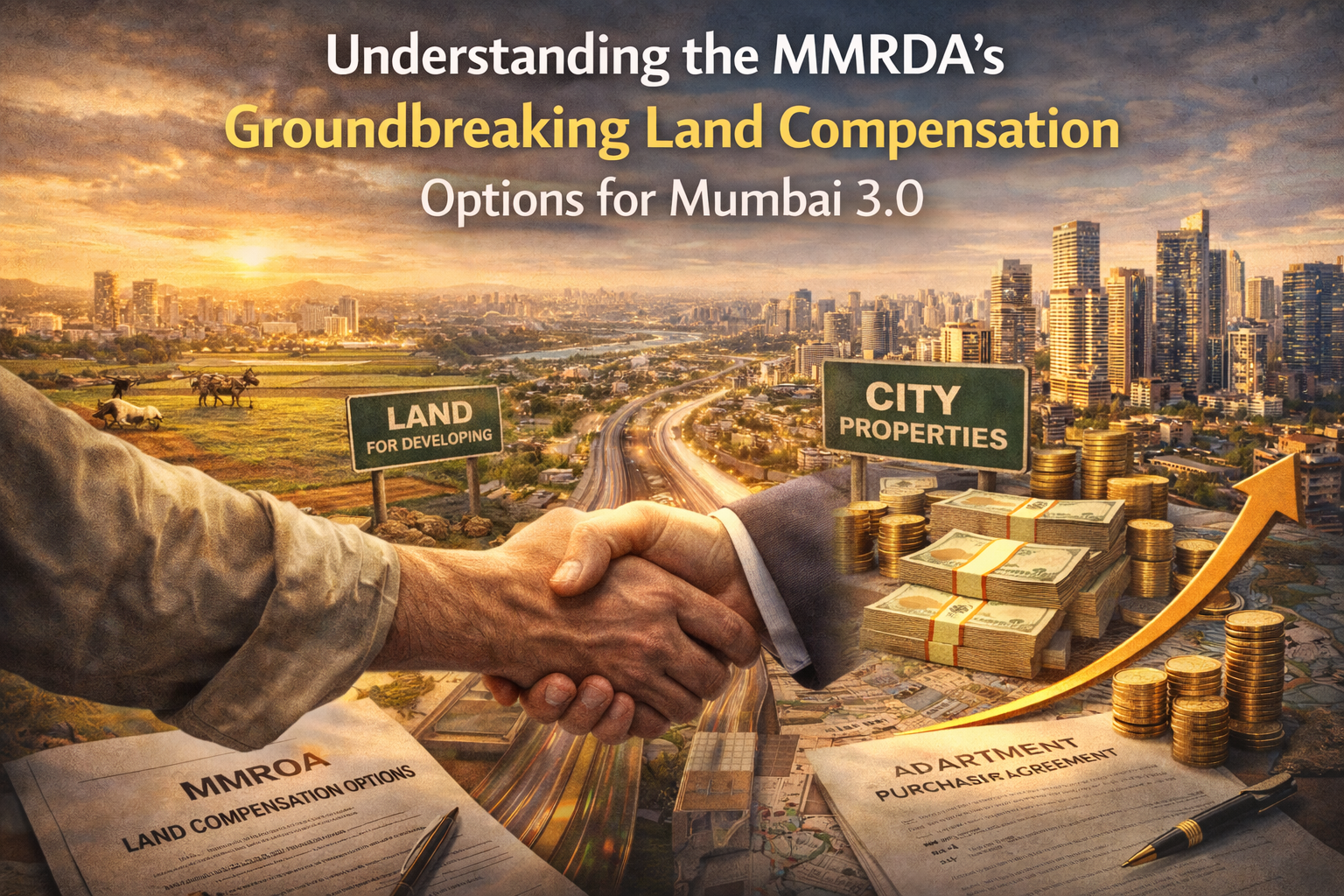
Understanding the MMRDA’s Groundbreaking Land Compensation Options for Mumbai 3.0
As the blueprint for Mumbai 3.0 takes shape across 323 square kilometres, the MMRDA has introduced a historic, choice-based land compensation framework. This policy empowers landowners in Raigad to become active stakeholders in the region’s massive urban and economic transformation through monetary, development rights, or land pooling options.

Should You Buy the Apartment You’re Renting? A Comprehensive Guide to Making the Right Move
Transitioning from tenant to owner of the same apartment offers unmatched convenience, but requires rigorous legal, financial, and structural due diligence to avoid hidden liabilities and ensure long-term value.