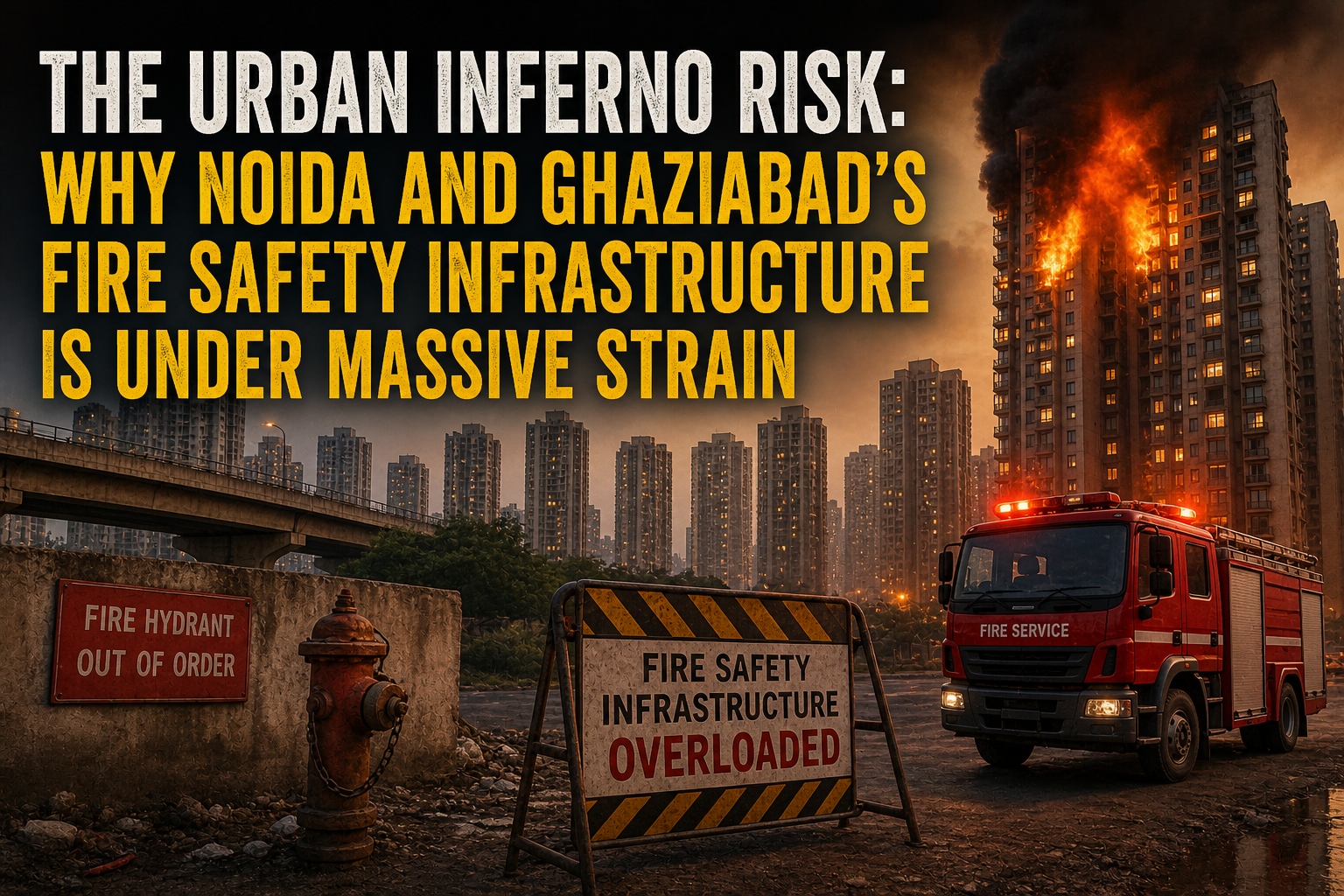
The Urban Inferno Risk: Why Noida and Ghaziabad's Fire Safety Infrastructure is Under Massive Strain
With thousands of towering high-rises and rapid urban expansion, the fire safety infrastructure in Noida and Ghaziabad is buckling under immense pressure. Faced with severe equipment shortages, limited manpower, and blatant builder non-compliance, the region urgently needs the recently sanctioned financial upgrades to protect its residents from catastrophic vertical fire hazards.
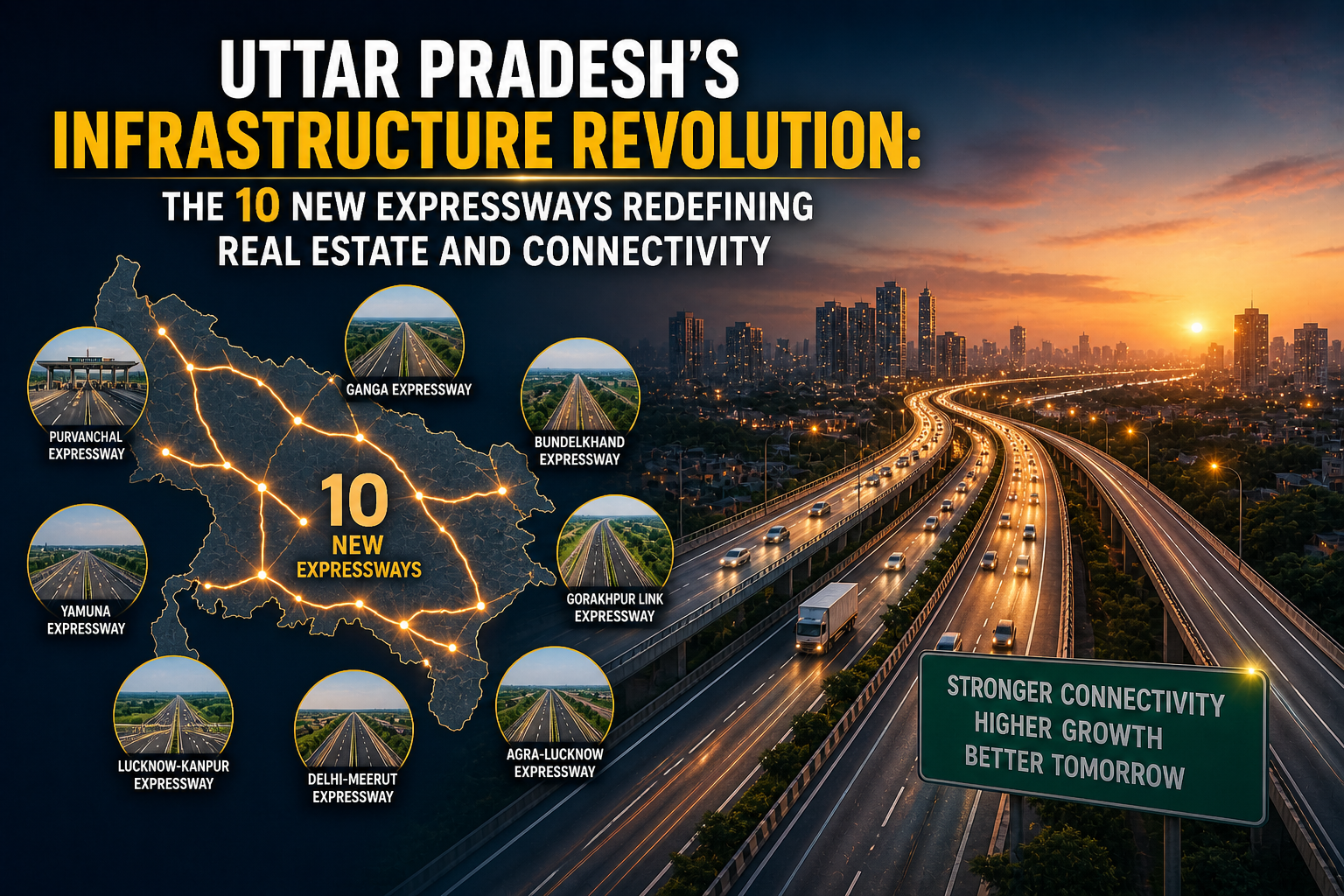
Uttar Pradesh’s Infrastructure Revolution: The 10 New Expressways Redefining Real Estate and Connectivity
Uttar Pradesh is embarking on a massive infrastructure push following the inauguration of the 594-km Ganga Expressway, greenlighting 10 new high-speed expressways and link roads. This expansive network will seamlessly connect major hubs like Noida, Jewar, and Lucknow with remote regions like Chitrakoot and Vindhya, sparking an unprecedented boom in regional real estate, industrial logistics, and local agriculture.

Prayagraj Development Authority New Rules Explained: A Game-Changer for Homebuyers and Builders
The Prayagraj Development Authority has introduced a revolutionary set of building and purchasing rules for 2025-2026, completely eliminating map approval requirements for plots up to 100 square meters and offering massive financial reliefs like 25% discounts and flexible EMIs for flat buyers. These sweeping changes are designed to cut bureaucratic red tape, promote sustainable mixed-use urban development, and make homeownership highly accessible for the middle class.
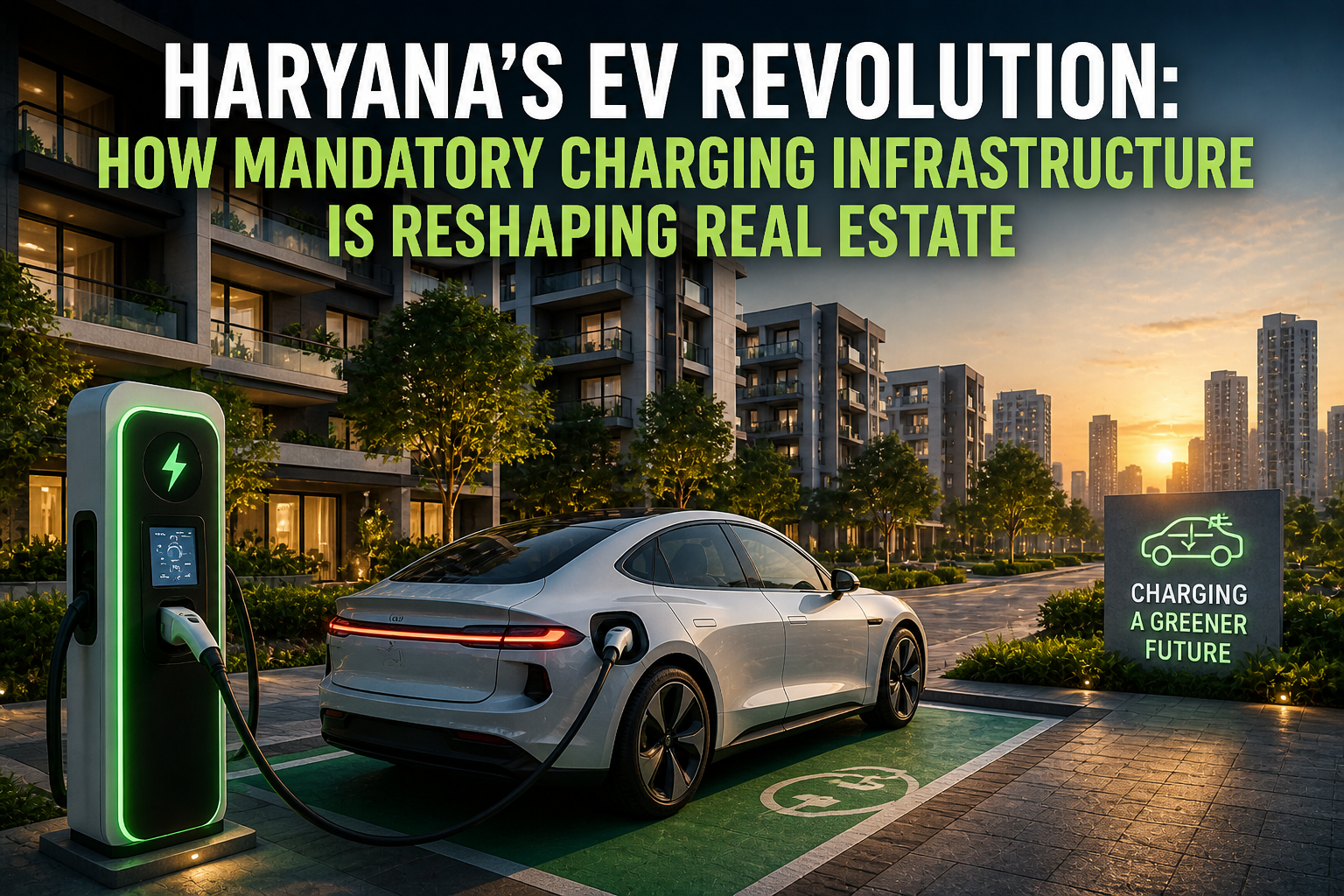
Haryana’s EV Revolution: How Mandatory Charging Infrastructure is Reshaping Real Estate
Haryana has introduced a landmark amendment to its building code, making comprehensive electric vehicle charging infrastructure entirely mandatory for all new residential and commercial real estate projects, paving the way for a fully EV-ready urban ecosystem.