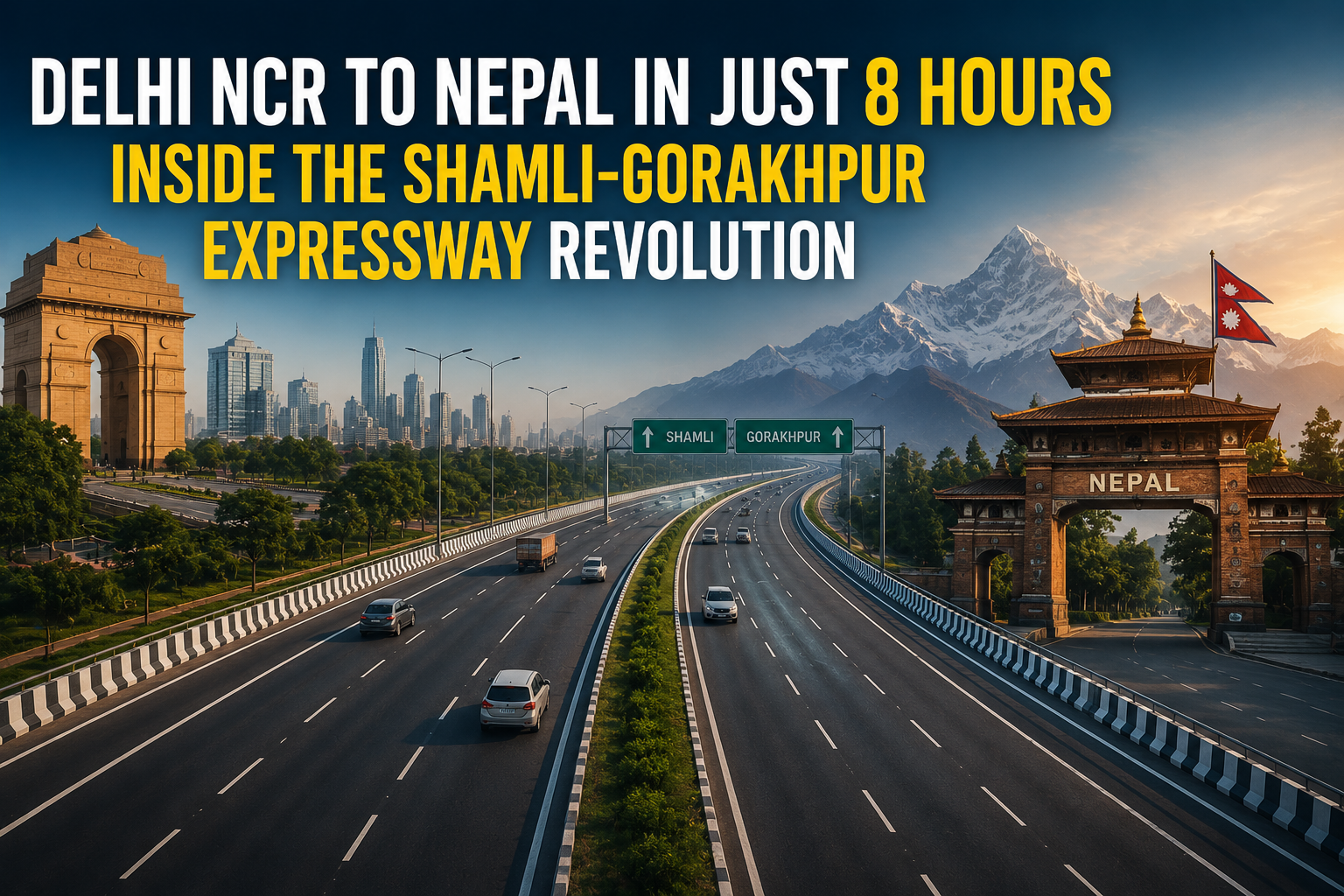
Delhi-NCR to Nepal in Just 8 Hours: Inside the Shamli-Gorakhpur Expressway Revolution
The upcoming 742-km Shamli-Gorakhpur Expressway is set to revolutionize connectivity across northern India, cutting travel time between the Delhi-NCR region and the Nepal border to just eight hours. As Uttar Pradesh's longest greenfield corridor, it promises to trigger massive economic growth, provide strategic defense advantages, and significantly boost real estate markets across 22 districts.
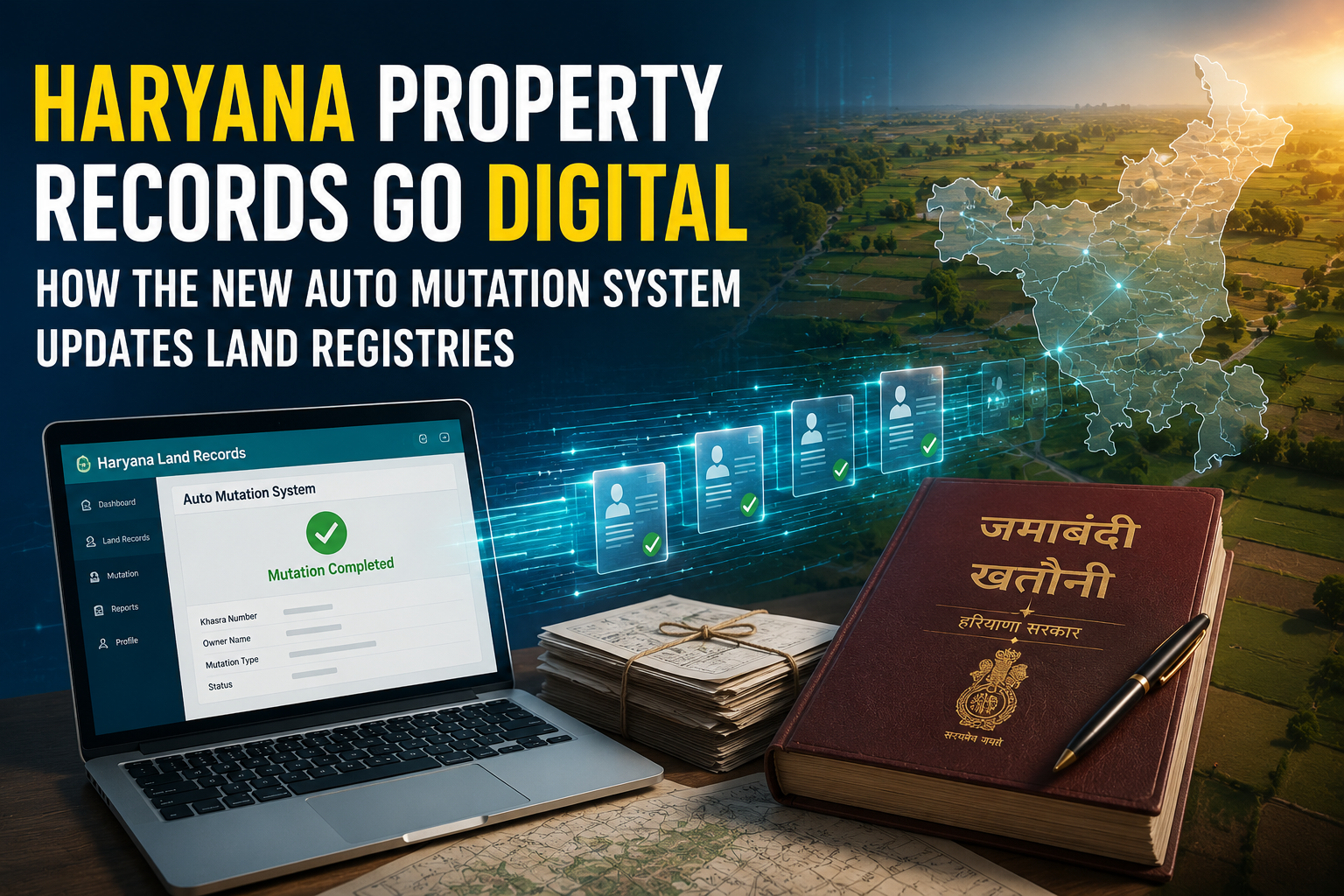
Haryana Property Records Go Digital: How the New Auto-Mutation System Updates Land Registries
The Haryana government has introduced a revolutionary digital auto-mutation system that automatically updates property records within a 7-day window. Integrated with the state’s WEB-HALRIS platform, this game-changing digital reform is designed to eliminate bureaucratic delays, clear massive pending backlogs, and actively prevent property fraud like double registration across the real estate sector.

Noida Launches Mega Plot Scheme with ₹758 Crore Commercial Land
The upcoming launch of the Noida International Airport has triggered a massive real estate boom, highlighted by the Noida Authority’s new mega plot scheme opening on May 19, 2026, which features an unprecedented ₹758 crore commercial land parcel. This comprehensive land allotment spans industrial, commercial, and institutional sectors, reflecting a structural shift that is transforming the Yamuna Expressway corridor into a premier global business hub.

Builder, RWA, or You? Who Actually Pays When Basement Parking Floods
When a vehicle is damaged in a flooded basement parking lot, immediate financial relief comes from comprehensive motor insurance equipped with engine protection, while long-term legal liability depends on whether the flooding was caused by a developer's structural design flaw under RERA or an RWA's negligence in routine maintenance.