
The High-Rise Illusion: Are You Paying a Premium for an 'Instagram View' or Actual Comfort?
Uncover the truth behind luxury high-rise living by weighing the aesthetic appeal of sweeping city views against practical drawbacks like elevator dependency, pest myths, and hidden logistical costs. This guide helps homebuyers determine if sky-high floor premiums buy actual everyday comfort or just an expensive, Instagram-worthy illusion.
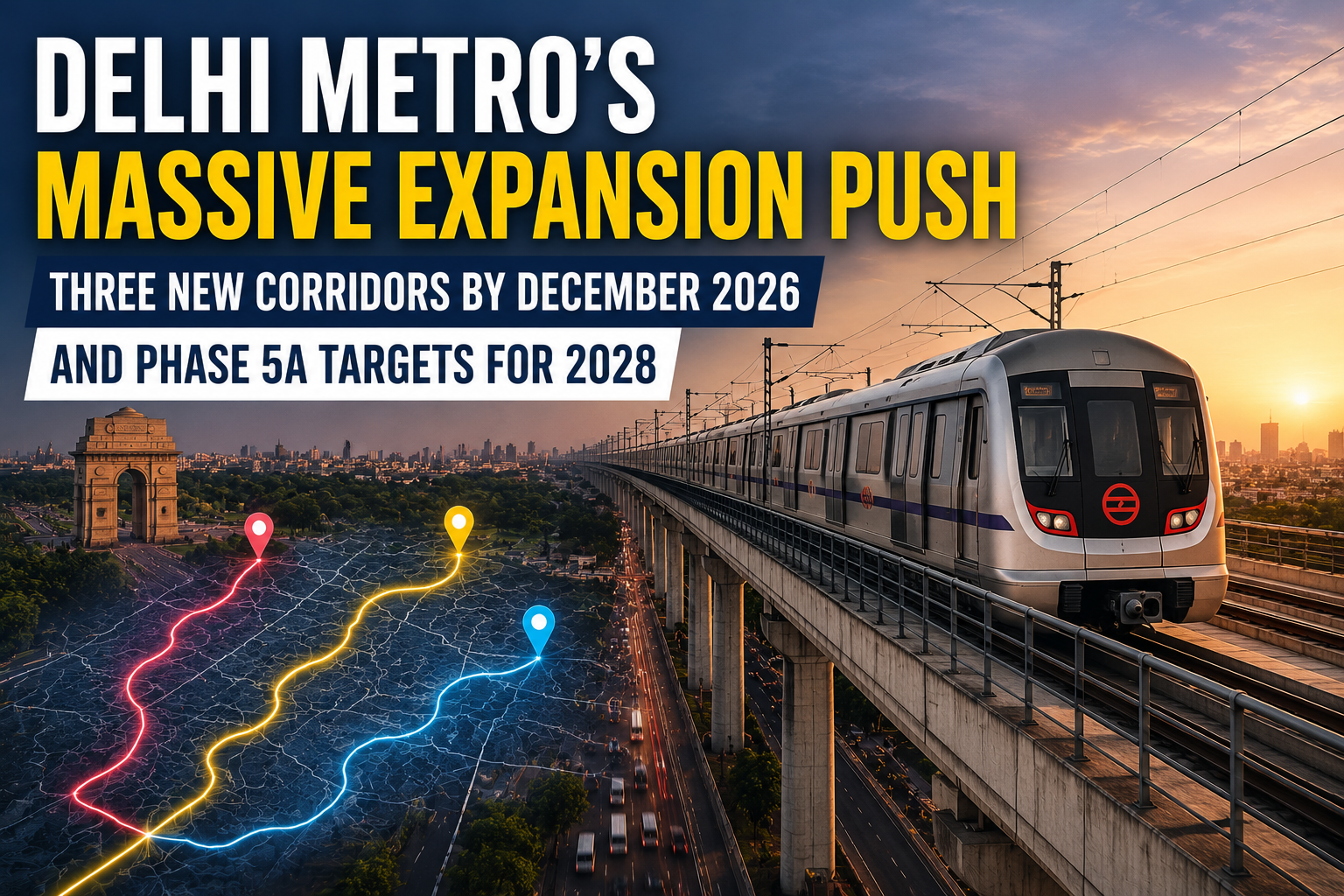
Delhi Metro’s Massive Expansion Push: Three New Corridors by December 2026 and Phase 5A Targets for 2028
The Delhi Metro is aggressively expanding its network with three major Phase 4 corridors slated to open by December 2026 and a Rs 12,014 crore Phase 5A project targeting completion in 2028. This comprehensive infrastructure upgrade promises to significantly decongest roads, connect underserved neighborhoods, and ignite a major real estate boom across the National Capital Region.

Delhi to Jewar Airport in 45 Minutes: Inside the Rs 4,463 Crore High-Speed Expressway
The Rs 4,463 crore DND-Faridabad-Sohna Expressway is set to revolutionize Delhi-NCR transit, offering a dedicated high-speed link that cuts travel time from South Delhi to the new Noida International Airport in Jewar down to just 45 minutes. Combined with eco-friendly construction, cutting-edge bridge engineering, and upcoming RRTS rail networks, this corridor will dramatically decongest Delhi while boosting regional real estate and economic growth.
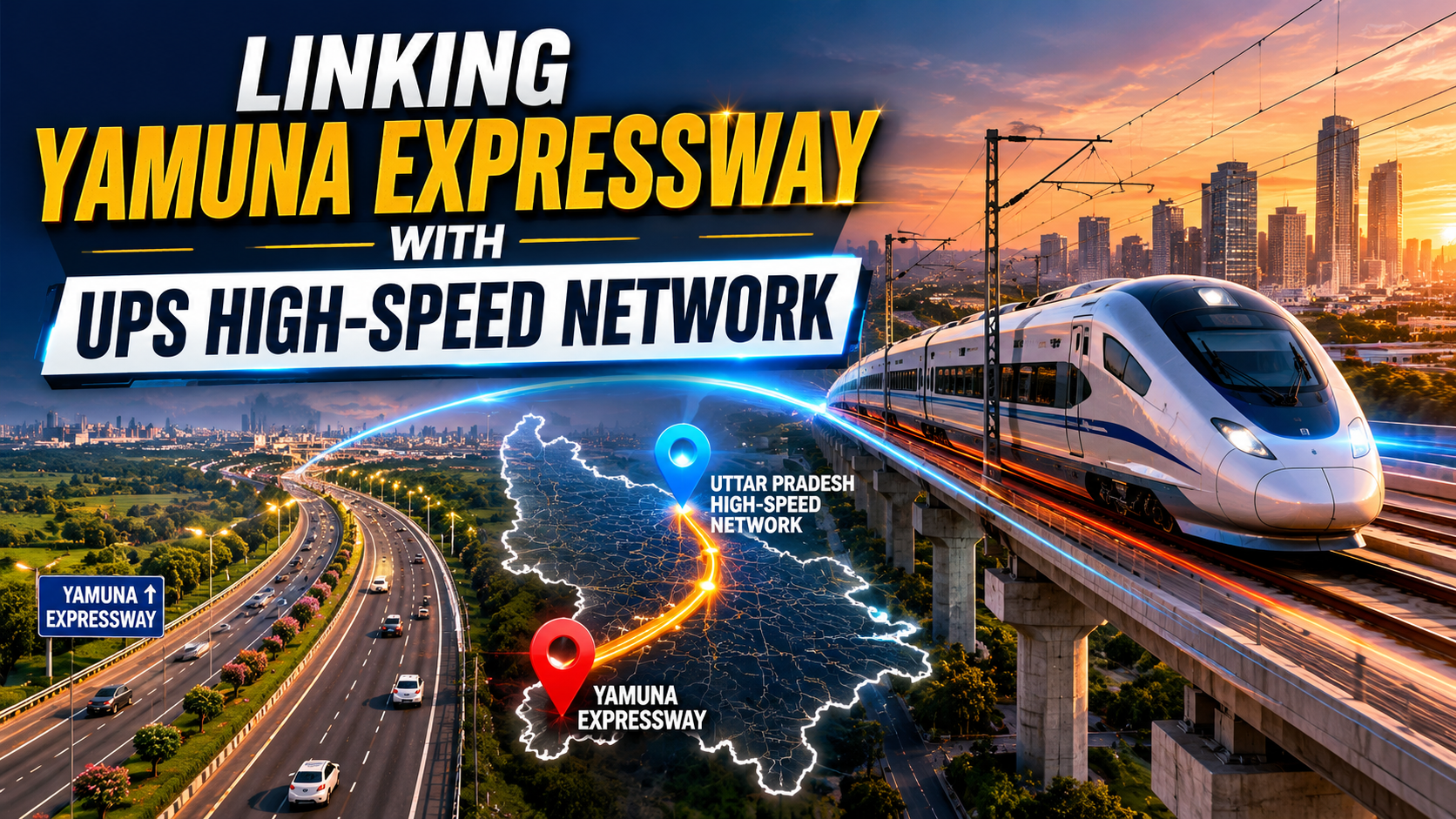
Linking Yamuna Expressway with UP’s High-Speed Network
The Uttar Pradesh government is orchestrating a massive infrastructure upgrade by seamlessly linking the Yamuna Expressway with a vast high-speed network, including the Ganga, Bundelkhand, and Purvanchal expressways. Coupled with rapid rail transit and new highway corridors, this master plan will drastically cut travel times to the upcoming Noida International Airport, catalyze industrial growth, and transform the state into India's premier logistics hub.