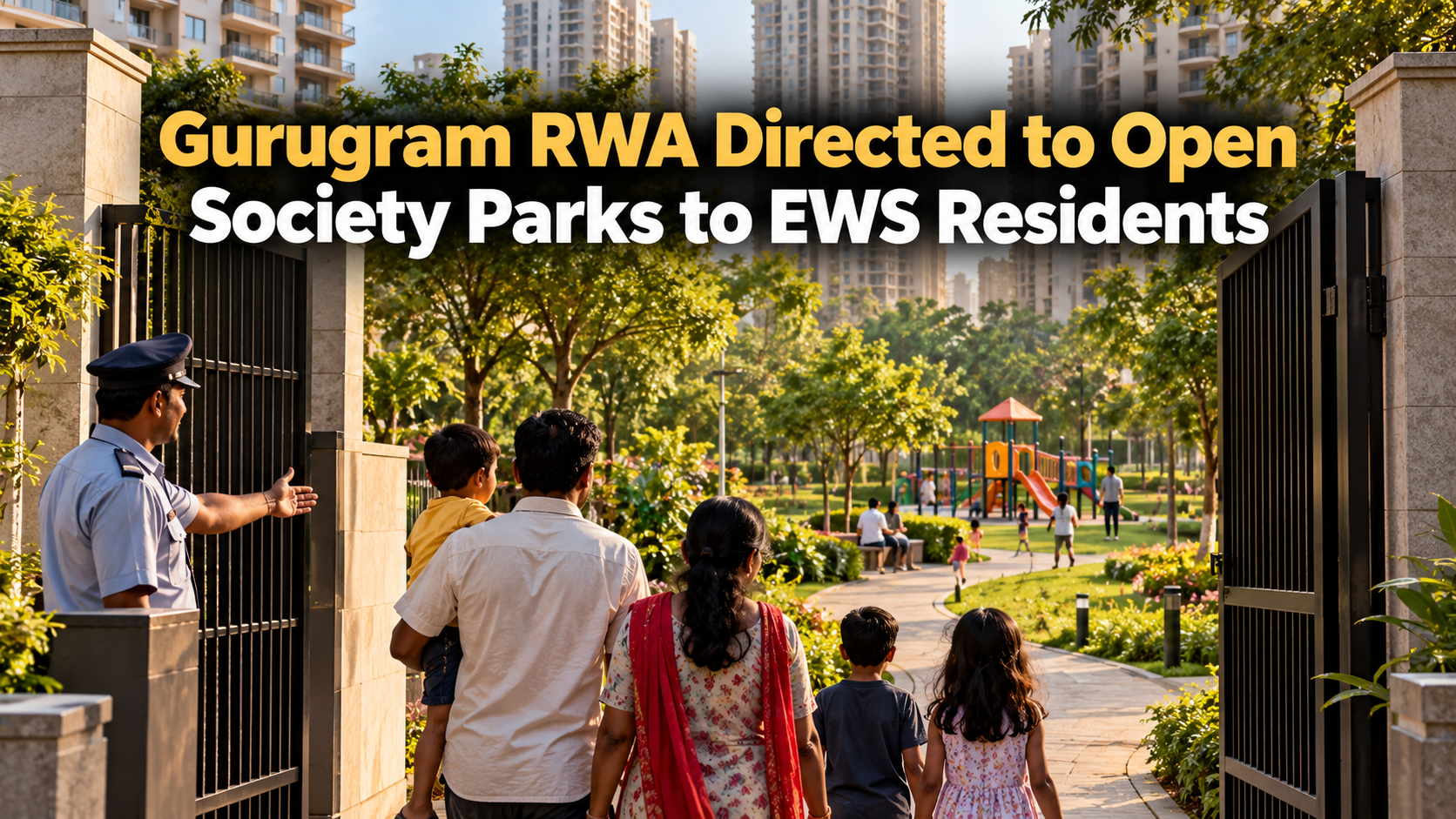
Gurugram RWA Directed to Open Society Parks to EWS Residents: A Closer Look at the Growing Debate on Shared Amenities
A recent intervention by the Gurugram district registrar mandates that residents of Economically Weaker Section (EWS) units in a Sector 110 housing society must be granted full access to common parks and pathways, sparking a broader debate over maintenance contributions, RWA bylaws, and the realities of inclusive urban planning in luxury real estate.
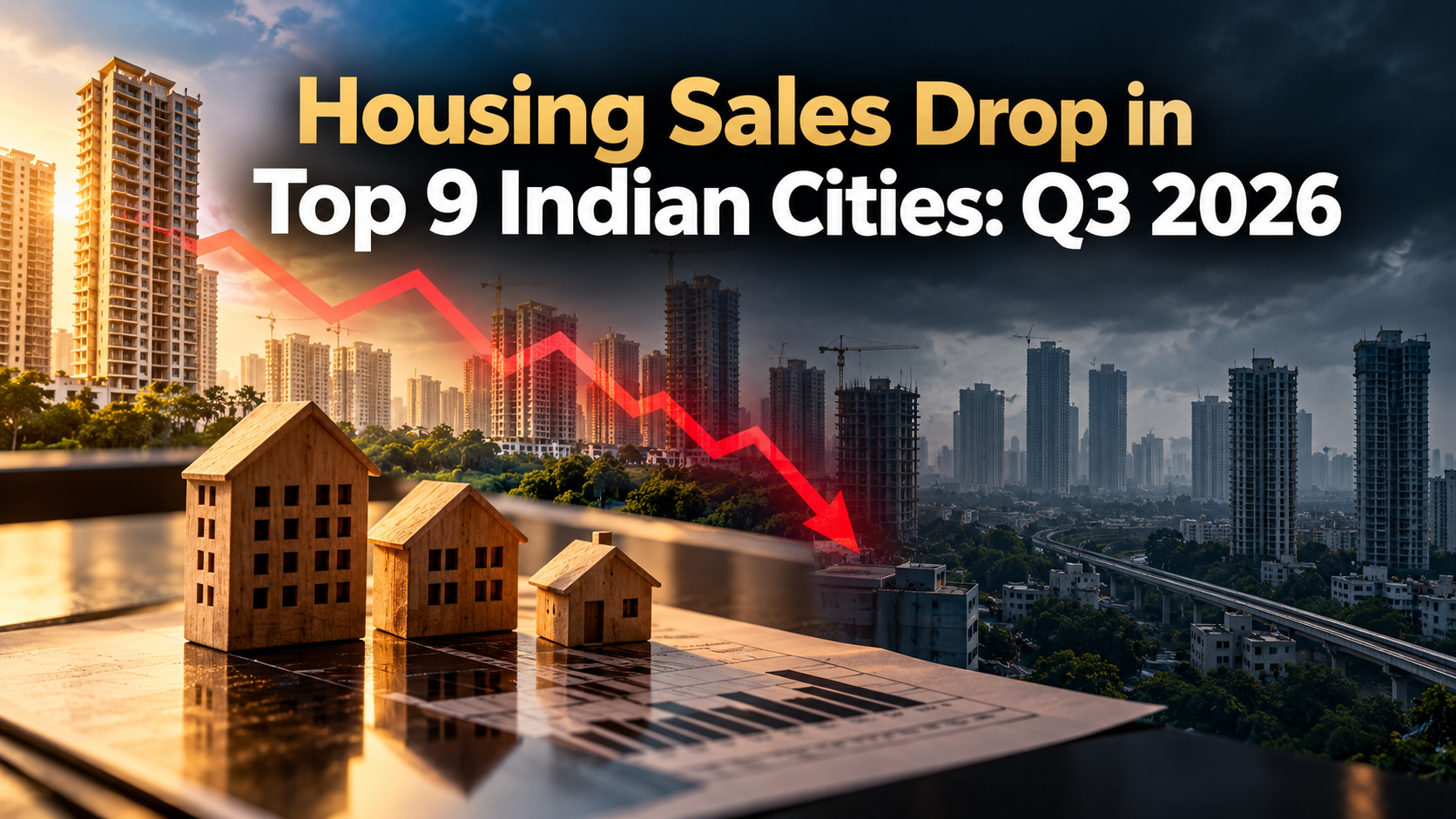
Housing Sales Drop in Top 9 Indian Cities: Q3 2026 Market Correction and Growth Drivers
India's real estate market saw a 6% year-on-year dip in housing sales across the top nine cities in Q3 2026, largely driven by significant drops in Pune and Chennai. However, Navi Mumbai and Hyderabad defied the national slowdown, posting impressive double-digit growth fueled by operational infrastructure and booming tech corridors.

Top 11 Emerging Cities Driving India’s Next Real Estate Boom
Eleven emerging Tier-2 cities in India have recorded a staggering 63% surge in residential property prices over the last five years, far outpacing the traditional metropolitan hubs. Driven by robust infrastructure, aggressive job creation, and a retail boom, these smaller urban centres are rapidly becoming the focal point of India's future real estate growth.
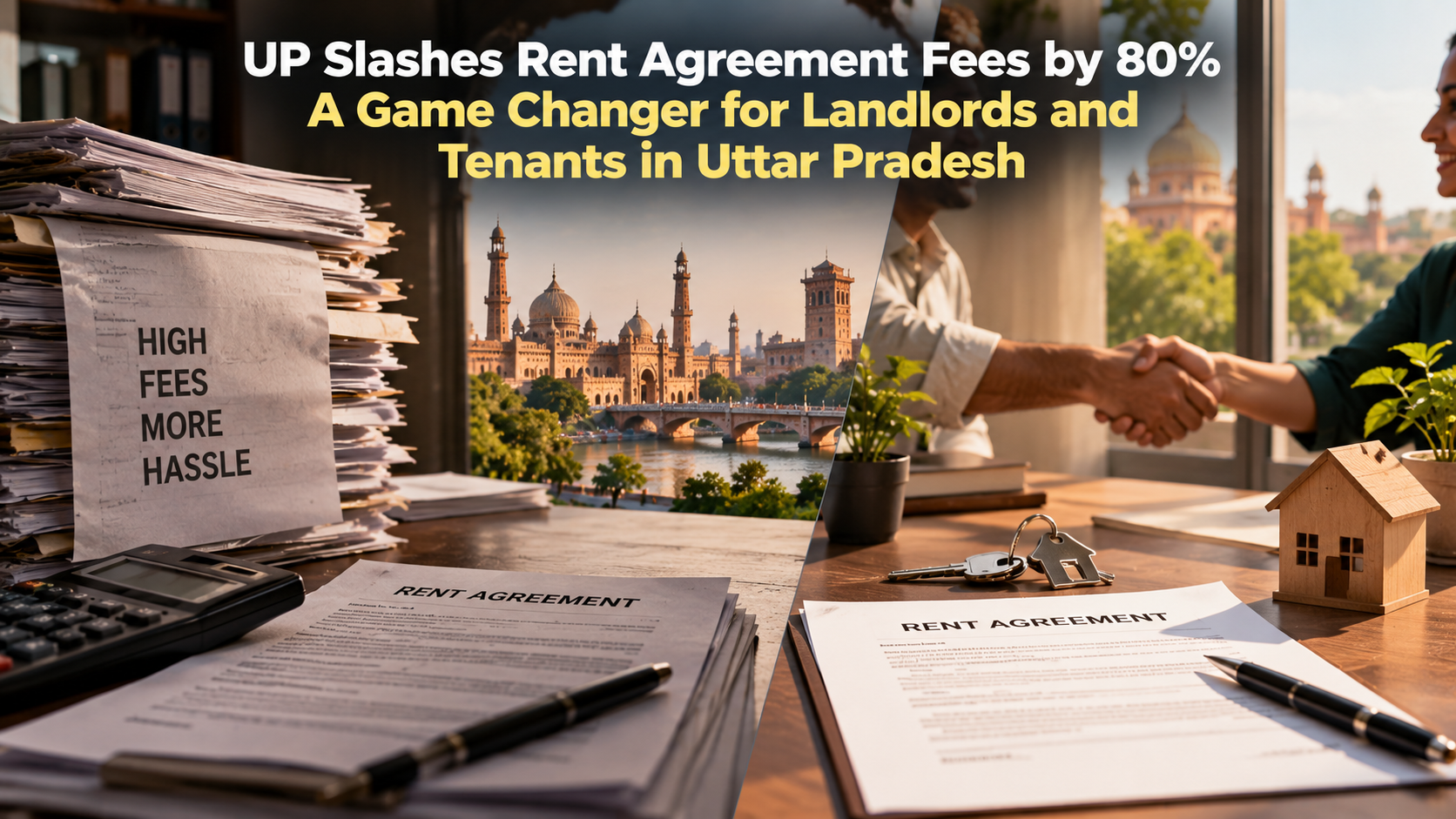
Title: UP Slashes Rent Agreement Fees by 80%: A Game-Changer for Landlords and Tenants in Uttar Pradesh
The Uttar Pradesh government has drastically reduced stamp duty and registration fees for rent and lease agreements by up to 80%, bringing the cost of a standard one-year residential lease down from approximately ₹10,000 to just ₹2,000. This landmark policy shift aims to eliminate the reliance on risky informal notarized agreements by making formal legal registration highly affordable and accessible for both landlords and tenants across the state.