Published On:
November 18, 2025
Updated On:
November 18, 2025
India now provides land records through WhatsApp under DILRMP, starting with Tamil Nadu. Users can receive Patta, Chitta, and Adangal PDFs instantly after entering basic survey details. This boosts transparency, reduces fraud, and improves access for rural and semi-urban citizens.
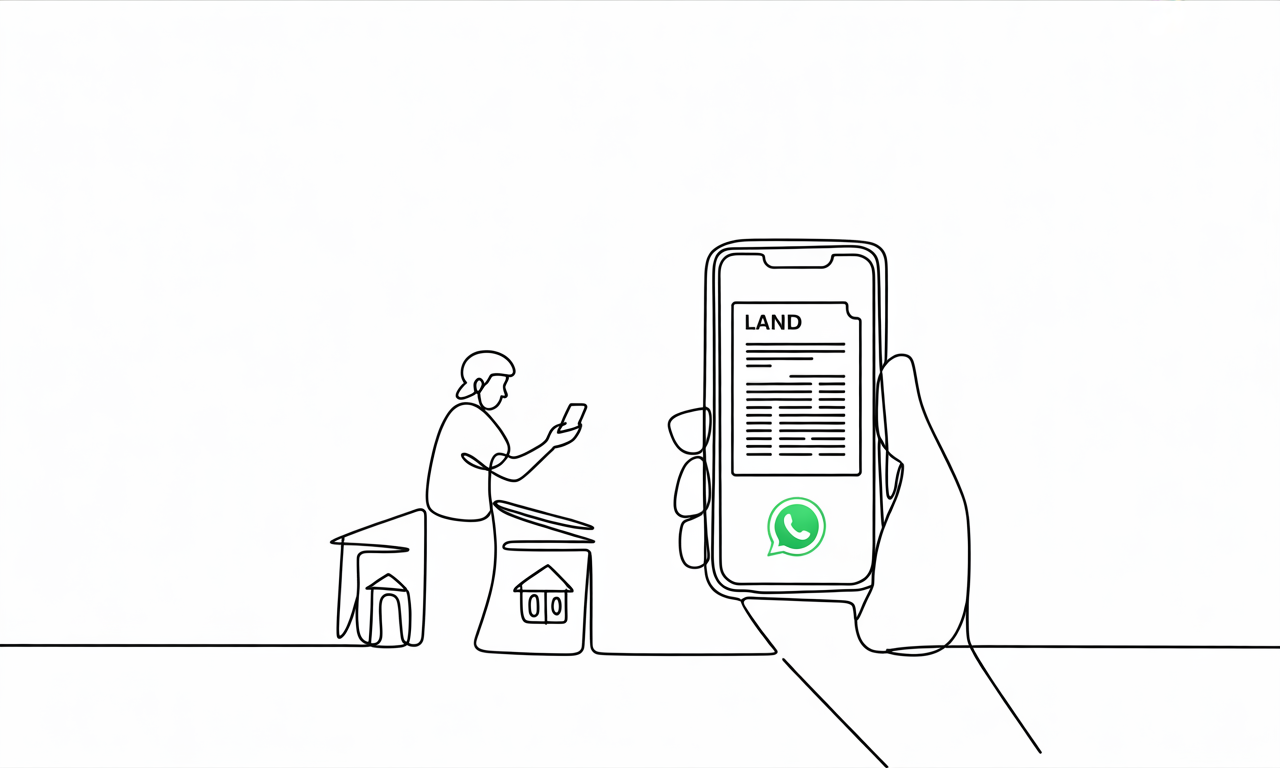
India has taken a major step in digital governance by putting land records directly on WhatsApp. Landowners can now access crucial documents such as Patta, Chitta, and Adangal through a simple message. This development is part of the Digital India Land Records Modernization Programme (DILRMP), a national mission designed to streamline and modernize land administration.
For decades, accessing land documents required multiple visits to Tehsil and Taluk offices. Manual files, delays, and inconsistencies often caused confusion and disputes. Digitization aimed to solve these issues, but access was still limited to online portals that many rural citizens could not navigate. WhatsApp solves this gap by offering a familiar and simple interface.
Tamil Nadu is the first state in the country to implement this model. The process is straightforward: save the official WhatsApp number, send a greeting, and follow the automated menu. Users select their language and enter district, taluk, village, and survey number details. Within seconds, a verified PDF of the land record arrives. This includes ownership details, land area, survey data, and other official entries.
The impact extends beyond convenience. Digital records reduce the scope for fraud and tampering. Direct access cuts out middlemen who traditionally controlled the flow of information. Farmers and landowners no longer rely on local agents to retrieve their documents. Transparency increases trust and reduces litigation risks.
This system also enhances financial inclusion. Banks require updated land documents for loan approvals or mortgages. Instant access means borrowers can produce verified documents without delays. For individuals in remote villages, this is a major advantage.
Across India, land digitization is progressing at different speeds. Maharashtra’s MahaBhulekh portal, Karnataka’s Bhoomi project, and web-based systems in Andhra Pradesh and Telangana are examples of strong foundations. These states are positioned to follow Tamil Nadu with WhatsApp-based services.
The future of land governance lies in accessibility. Moving records from government servers to citizens’ phones democratizes information. It ensures that every landowner—regardless of location—can verify and use their property documents with confidence. The WhatsApp model is likely to become the national standard, transforming how India manages its most important asset: land.
