Published On:
February 1, 2026
Updated On:
February 1, 2026
The Delhi Development Authority is launching a cutting-edge initiative to install real-time monitoring systems in sewage treatment plants across 100 public parks. By automating water quality checks, this move aims to ensure sustainable irrigation, reduce groundwater dependency, and rejuvenate the city’s green spaces with safe, treated wastewater.
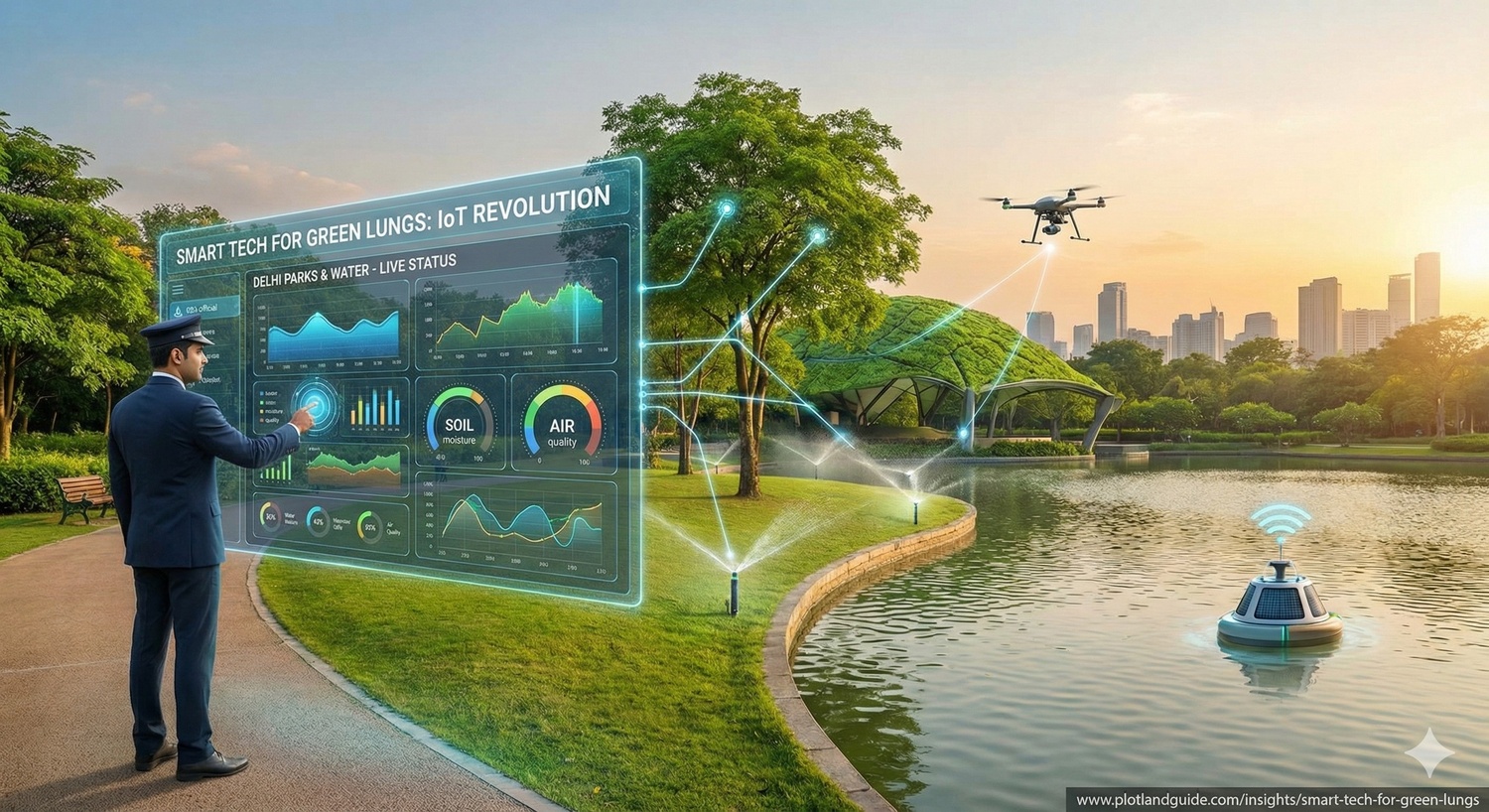
For the millions of residents in India’s bustling capital, public parks are more than just patches of grass; they are vital sanctuaries. They are where our children play, our elders walk, and our communities breathe. However, maintaining these lush green lungs in a city historically plagued by water scarcity is a monumental challenge. For years, the Delhi Development Authority (DDA) has wrestled with the dual responsibility of keeping the city green while conserving precious freshwater resources.
Now, a significant technological leap is set to change the game.
In a move that marries environmental stewardship with smart city infrastructure, the DDA has rolled out a massive plan to implement real-time sewage treatment monitoring across its network of parks. This isn't just an administrative update; it is a fundamental shift in how urban ecology is managed. By integrating the Internet of Things (IoT) into the very soil of the city, Delhi is taking a decisive step toward a sustainable, water-secure future.
The core of this new initiative is the deployment of automated, real-time monitoring systems for Sewage Treatment Plants (STPs) located within or near nearly 100 major public parks. These parks are not just recreational spots but are essentially the city's carbon sinks. Traditionally, keeping them green required millions of liters of water daily. In an era where groundwater tables are plummeting, using potable water for grass was no longer an option.
The solution has always been treated wastewater. However, the challenge lay in quality control. How do you ensure the water coming from a decentralized treatment plant is safe for the soil, odorless for the walkers, and chemically balanced for the plants? Until now, this relied on manual checks—a process prone to human error, delays, and occasional negligence.
The new system eradicates these blind spots. By installing advanced sensors and automation units at the outlet of these STPs, the DDA will now have a 24/7 digital eye on water quality. This ensures that every drop used for horticulture meets stringent environmental standards before it touches a single leaf.
To appreciate the magnitude of this shift, we must look at the limitations of the old regime. Previously, monitoring water quality was a logistical heavy lift. Staff would physically visit sites, collect samples, send them to laboratories, and wait for days to get results. By the time a report flagged high toxicity or poor filtration, that water might have already been used, potentially harming the delicate microbial balance of the soil or causing foul smells that deter park visitors.
The automated system flips this script. It offers "continuous compliance." The sensors installed will track critical parameters instantaneously. If a treatment plant malfunctions or if the filtration membranes get clogged, the system can trigger immediate alerts. This proactive approach means maintenance teams can fix issues before the water quality degrades, rather than reacting to complaints after the damage is done.
This move also brings a layer of transparency that was previously missing. With digital logging, there is an immutable record of performance for every contractor operating these plants. It creates a system of accountability where performance is measured by data, not just claims.
For the layperson, "water quality" might just mean clear, odorless water. But for a botanist or an environmental engineer, the definition is far more precise. The DDA’s new monitoring stations will track a specific set of chemical and biological indicators that serve as the vital signs of the water.
This is perhaps the most critical metric. BOD measures the amount of oxygen required by bacteria to break down organic matter in the water. High BOD levels indicate high pollution; if such water is released into a park, it can rob the soil of oxygen, killing plant roots and creating anaerobic conditions that smell like rotten eggs. Real-time tracking ensures BOD remains within safe limits, keeping the parks smelling fresh and the plants healthy.
While BOD measures biological waste, COD measures chemical pollutants. In an urban environment, runoff can sometimes contain detergents, oils, or industrial residues. Monitoring COD ensures that the treatment process is robust enough to neutralize these harder-to-break-down contaminants.
TSS refers to the physical particles floating in the water. Water high in suspended solids can clog drip irrigation systems and leave unsightly sludge deposits on grass and walkways. By keeping a digital check on TSS, the DDA protects the expensive irrigation infrastructure that keeps the parks alive.
The acidity or alkalinity of water is a silent killer for vegetation. If the treated water is too acidic or too basic, it can lock up nutrients in the soil, making them unavailable to plants regardless of how much fertilizer is used. Continuous pH monitoring acts as a safeguard for soil health.
The scale of this project is impressive. The DDA has identified parks across diverse localities, ensuring equitable development. Residents in areas like Dayanand Vihar, Vivek Vihar, Ashok Vihar, Shalimar Bagh, and Narela will be among the first to witness these upgrades.
The STPs being upgraded vary significantly in size, ranging from small 10 KLD (Kiloliters Per Day) units serving neighborhood pocket parks to massive 250 KLD plants sustaining sprawling district parks. This decentralized approach is key. Instead of pumping sewage miles away to a central facility and then pumping water back—a process that consumes immense energy—the DDA is treating waste where it is generated.
This "circular water economy" at the neighborhood level is the gold standard for modern urban planning. It turns a liability (sewage) into an asset (irrigation water) right at the source.
One of the most exciting aspects of this initiative is its potential secondary impact: the rejuvenation of urban wetlands. Many DDA parks contain small lakes or ponds that have historically dried up or become dumping grounds.
The upgraded monitoring system allows the DDA to channel surplus treated water into these water bodies with confidence. When you know for a fact that the water is clean (thanks to real-time data), you can use it to recharge aquifers and fill lakes without fear of contamination. This could lead to the return of local flora and fauna, attracting migratory birds and restoring the micro-climate of these neighborhoods.
This technological overhaul is not happening in a vacuum. It is a direct and robust response to the mandates of the National Green Tribunal (NGT). The NGT has long directed civic bodies to cease using groundwater for gardening—a practice that is unsustainable in a city with a falling water table.
By making treated wastewater reliable and high-quality, the DDA removes the last excuse for using borewells. When park managers can trust the STP output, they will naturally switch off the groundwater pumps. This compliance protects the DDA from legal penalties but, more importantly, it protects the city's strategic water reserves for drinking and domestic use.
The DDA has invited expressions of interest from private firms to execute this ambitious vision. This opens the door for specialized environmental tech companies to bring their expertise to Delhi’s public infrastructure. The tender documents explicitly call for "modern wastewater treatment technologies," signaling a move away from archaic, space-consuming methods.
We are likely to see the introduction of advanced technologies like Membrane Bioreactors (MBR) or Moving Bed Biofilm Reactors (MBBR) coupled with IoT dashboards. This modernization will create a ripple effect, encouraging the local environmental tech industry and creating high-skilled jobs in the maintenance and monitoring sectors.
While the technology is promising, the implementation will be the true test. Installing sensors is the easy part; ensuring they remain calibrated and functional in the harsh outdoor conditions of Delhi is another challenge. Issues like sensor fouling, connectivity in remote park corners, and the protection of expensive equipment from theft or vandalism will need to be addressed.
Furthermore, data is only as good as the action it triggers. The DDA will need to establish a rapid-response protocol. When a sensor blinks red on a dashboard at 2 AM, is there a team ready to fix the aerator at the plant? The success of this initiative will depend on the integration of this digital data into the daily workflow of the horticulture and engineering departments.
The introduction of real-time monitoring for park STPs is a quiet revolution. It may not feature the ribbon-cutting fanfare of a new highway or a metro line, but its impact on the quality of life in Delhi is profound. It guarantees that our green spaces remain green without draining the earth dry.
This initiative positions Delhi as a leader in smart urban management, showcasing how technology can solve age-old resource conflicts. As residents, we can look forward to parks that are lush, odor-free, and environmentally responsible. The DDA’s move proves that in the fight against climate change and water scarcity, our strongest weapons might just be a sensor, a microchip, and the will to change. The parks of the future are here, and they are powered by data.
