Published On:
November 9, 2025
Updated On:
November 9, 2025
India’s property sector is projected to expand 20× by 2047—reaching USD 5–10 trillion and contributing up to 20 % of GDP. Tier II cities, infrastructure corridors, and data-driven assets will drive the next phase of urban growth.
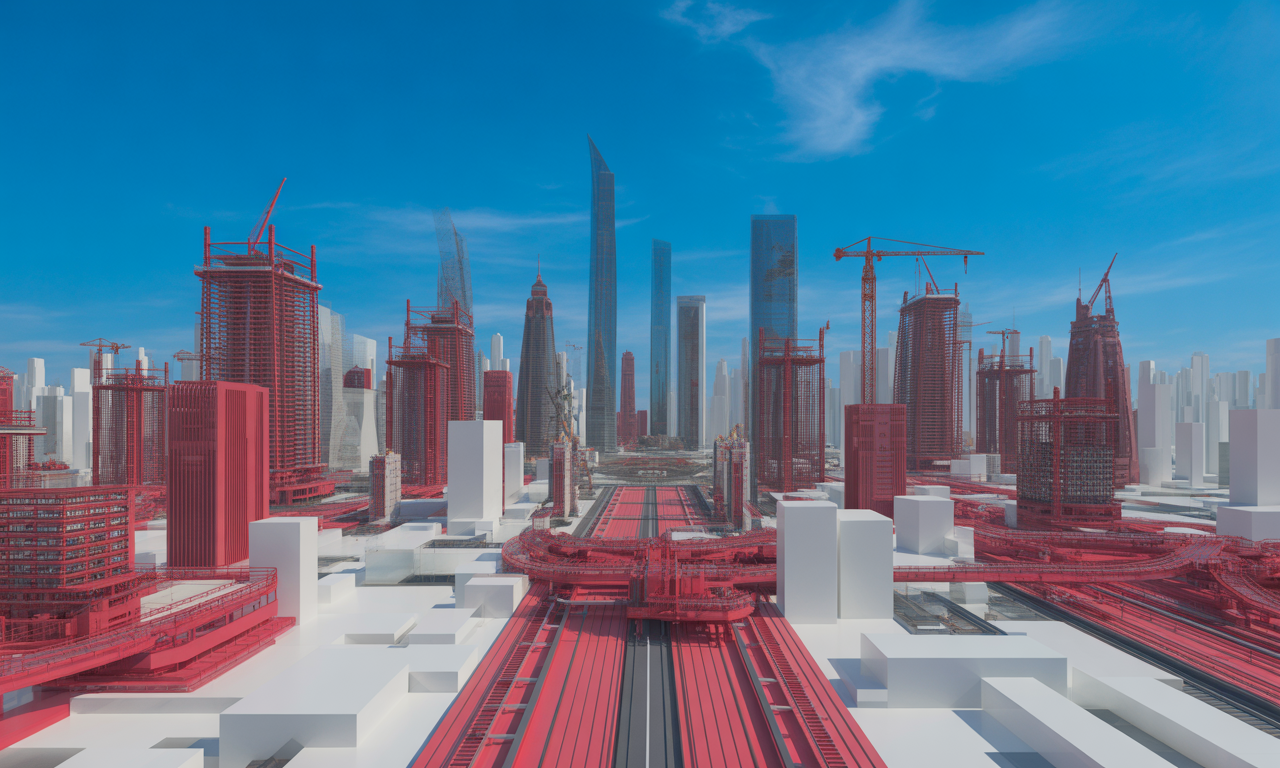
India’s real estate sector is entering a new phase of hyper-growth.
According to the Colliers-CII Report (2025) titled Real Estate @ 2047: Building India’s Future Growth Corridors, the industry is projected to grow from USD 0.3 trillion today to USD 5–10 trillion by 2047—a 20× expansion.
By then, real estate could contribute 14–20 % of India’s GDP, making it one of the biggest drivers of the Viksit Bharat vision under the Amrit Kaal roadmap.
Residential: Demand projected at 0.5 million units annually by 2030, doubling to 1 million by 2047. Affordable, luxury, and senior-living homes will drive growth, with Tier II cities becoming the next housing hotspots.
Office: Annual absorption to reach 70–75 million sq ft, with Grade A stock crossing 1 billion sq ft by 2030 and 2 billion sq ft by 2047. Global Capability Centers (GCCs) will account for 40–50 % of this demand.
Industrial & Warehousing: Expected to touch 30–40 million sq ft per year, with Grade A supply > 0.5 billion sq ft by 2030 and 2 billion sq ft by 2047.
Retail: Over 1,000 malls by 2030, rising to 1,500 by 2047, driven by Tier II markets like Jaipur, Kochi & Bhubaneswar.
Alternative Assets: Data-center capacity will rise from 0.9 GW to 10 GW by 2047. Senior-living & co-living inventories may expand 10× over the next two decades.
With deep structural reforms, rising incomes, and large-scale infrastructure projects, India’s property sector is set to become a USD 5–10 trillion cornerstone of national growth by 2047.
